Weather is the changes in the atmosphere in the short term – between minutes and months. It is usually considered regarding the impacts on our day-to-day lives.
Seasons are blocks of three months each that usually share similar weather conditions. It allows us to plan and carry out activities such as agriculture.
Climate is the long term average of weather conditions over time and space. For example, summer in the Northern hemisphere is normally warmer than winter.
An easy way to remember the difference is that climate is what you expect, like a very hot summer, and weather is what you get, like a hot day with pop-up thunderstorms.
Climate change increases the frequency of extreme temperature and weather events, like storms and heatwaves. Unpredictability will impact farmers’ ability to adapt, and rising average temperatures will lead to significant changes in harvest seasonality and the crops we can grow.
Farmers will increasingly need to adopt new methods of agriculture in order to effectively mitigate risks as much as they can.
How do we tackle this?
Holistic land management and soil health are ways of increasing water retention, carbon sequestration, and improving nutrient availability. Improper use of chemical fertilisers and monocropping – growing of a single crop type – decimates the soil and can lead to severe pollution through runoff (see also our post on fertiliser).
Regenerative food systems are effective at combating these problems. One of these is permaculture which is developed from indigenous knowledge systems.
Permaculture principles
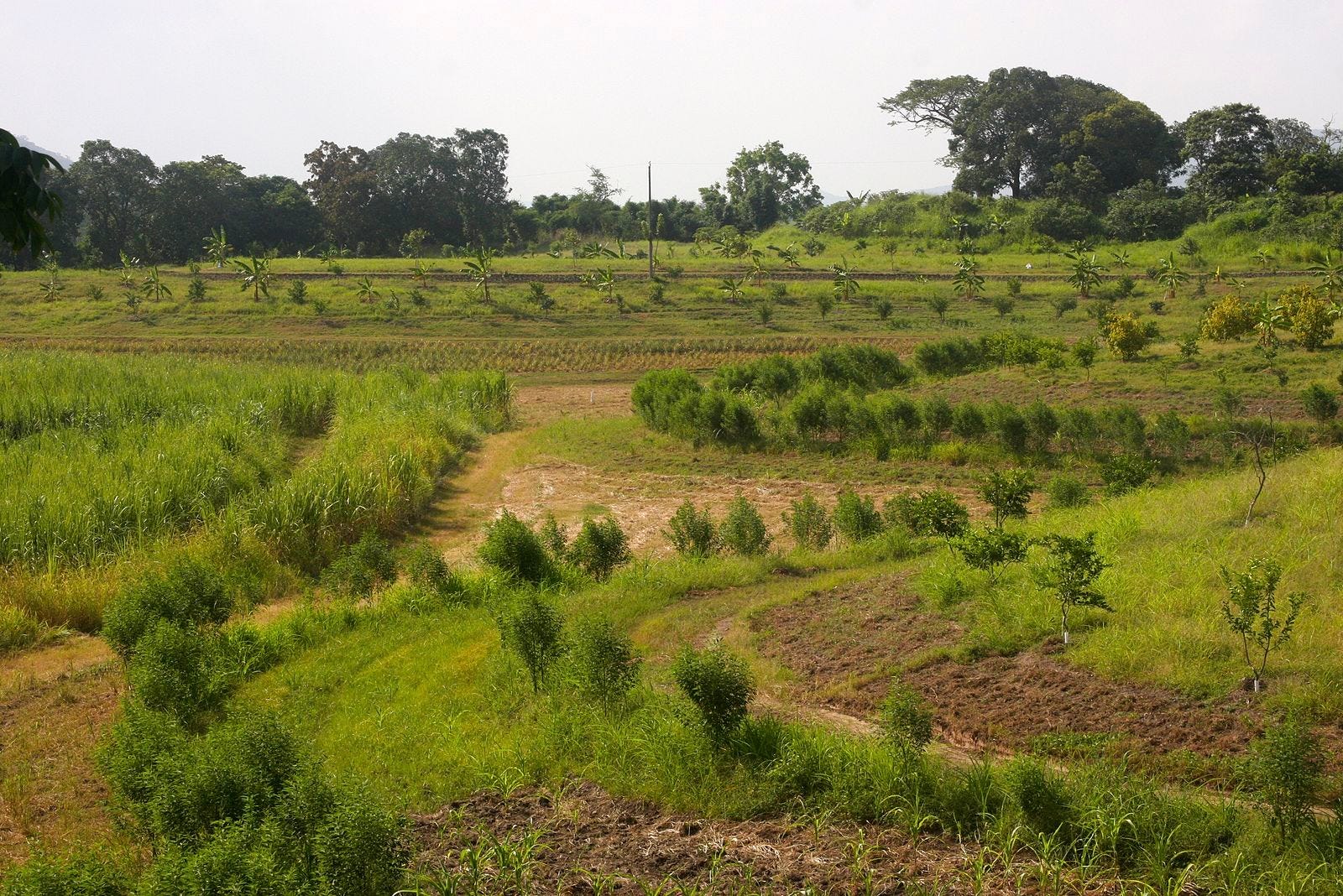
Avoidance of monocrop systems with preference for polycultures including the use of agro-biomimicry where ecological systems are reflected in the combination of plants used
Multi-crop rotations with long-duration fallows allow soil to recuperate before the next planting
Intercropping with companion plants that can aid in nutrient provision, retention, attraction of pollinators, but also in pest control
A regenerative farm situated in North East Ireland and run by Craig Homes and Ruby Free. Their primary goal is to improve biodiversity through rewilding techniques as a part of their agricultural practice, and offer workshops and nature experiences to the public.
Based in County Monaghan, Irish Organic Mill is an Irish Organic Association certified producer of grain. Active for many years, they ensure nothing is added from seed to final produce, and strive to work with nature on their farm.
As much an advocate for widespread regenerative farming adoption, Wildfarmed is also a regenerative producer of grain for flour. Co-founded by one half of Groove Armada (Andy Cato) Wildfarmed is successful in bringing regenerative farming into the mainstream with a sliced loaf made using their flour now offering in Marks & Spencer across the UK.
A primary action is the need for a cultural shift in our consumption relationship with food.
Buying only what we need, rather than as much as we can because of offers like Buy One Get One Free can combat over-production and waste.
Our willingness to eat differently – climate adaptation may require the introduction of crop varieties we are not familiar with.
Buying foods grown organically, in-season, or through regenerative and permaculture practices whenever we can afford them can aid in promoting soil health.